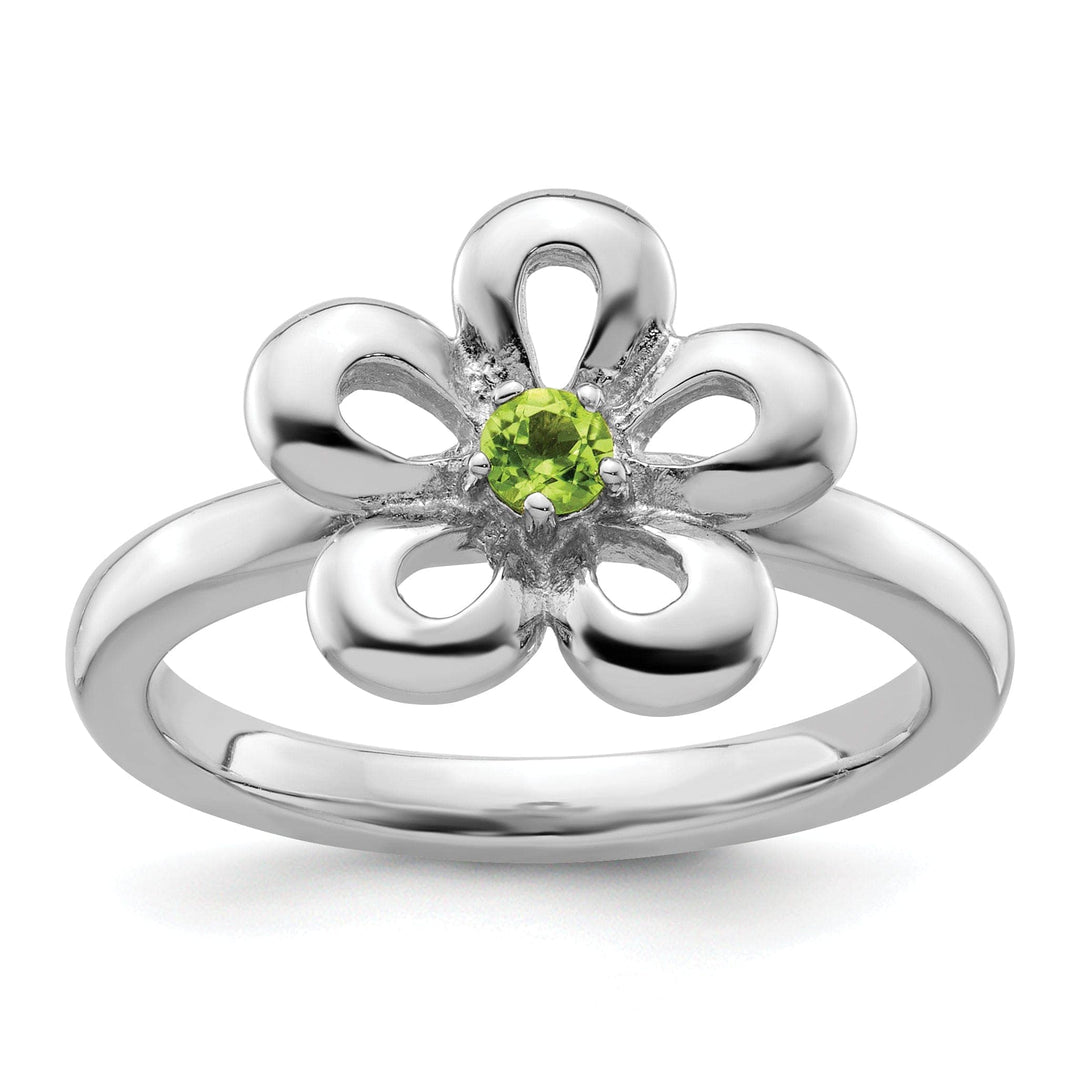
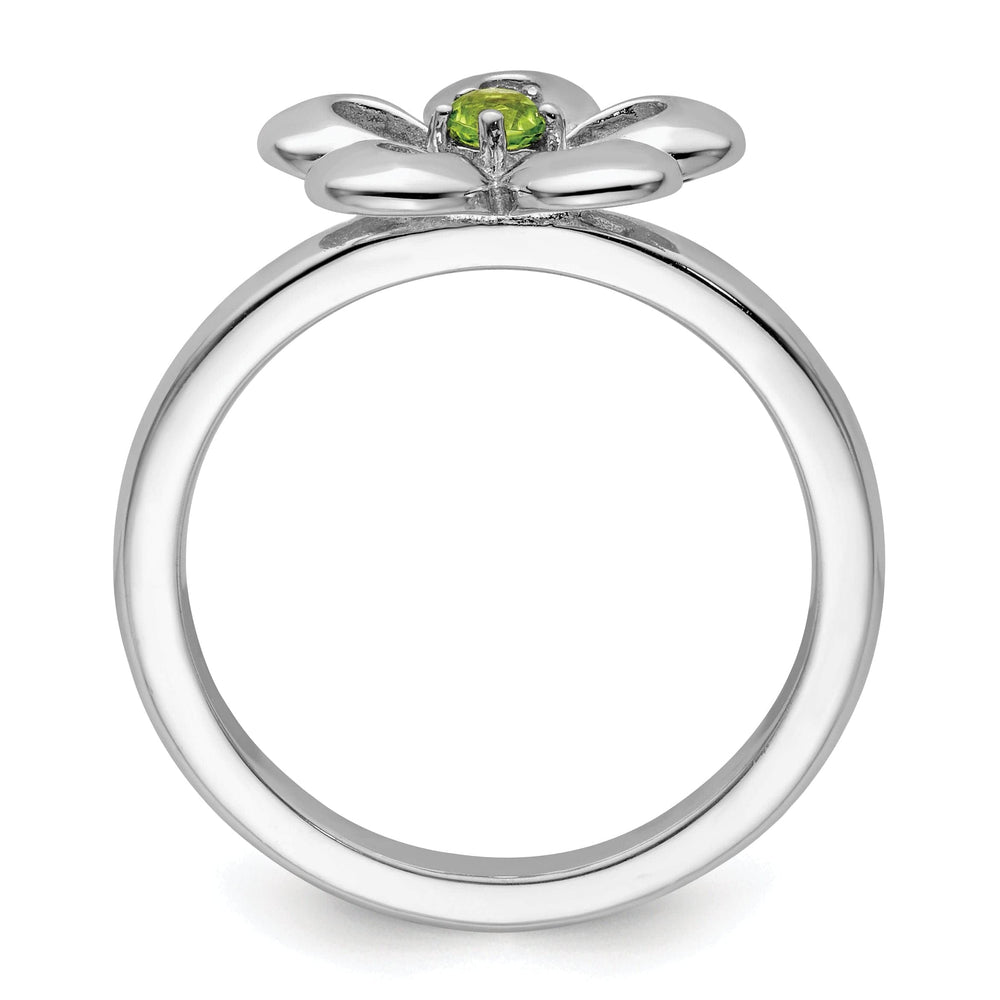
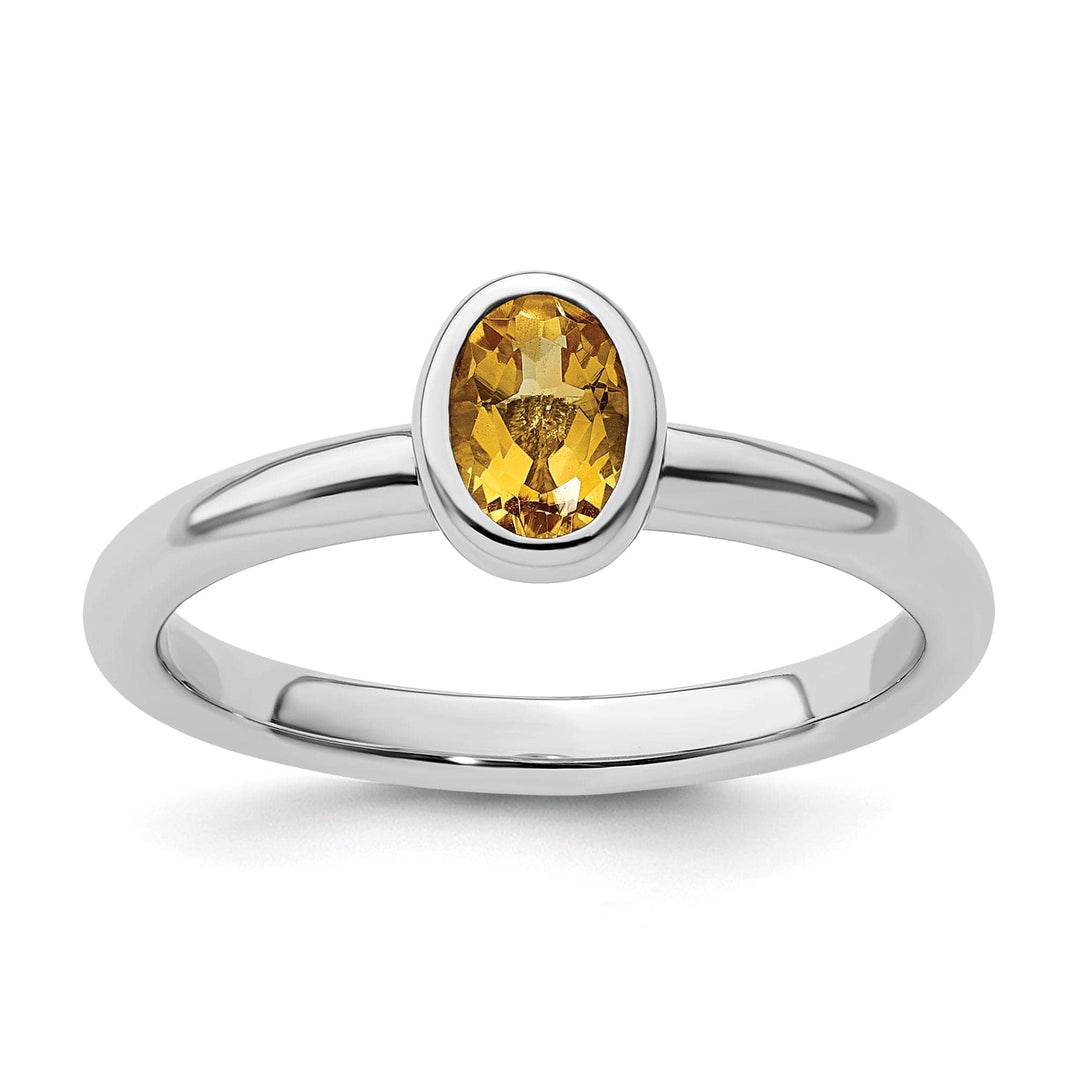
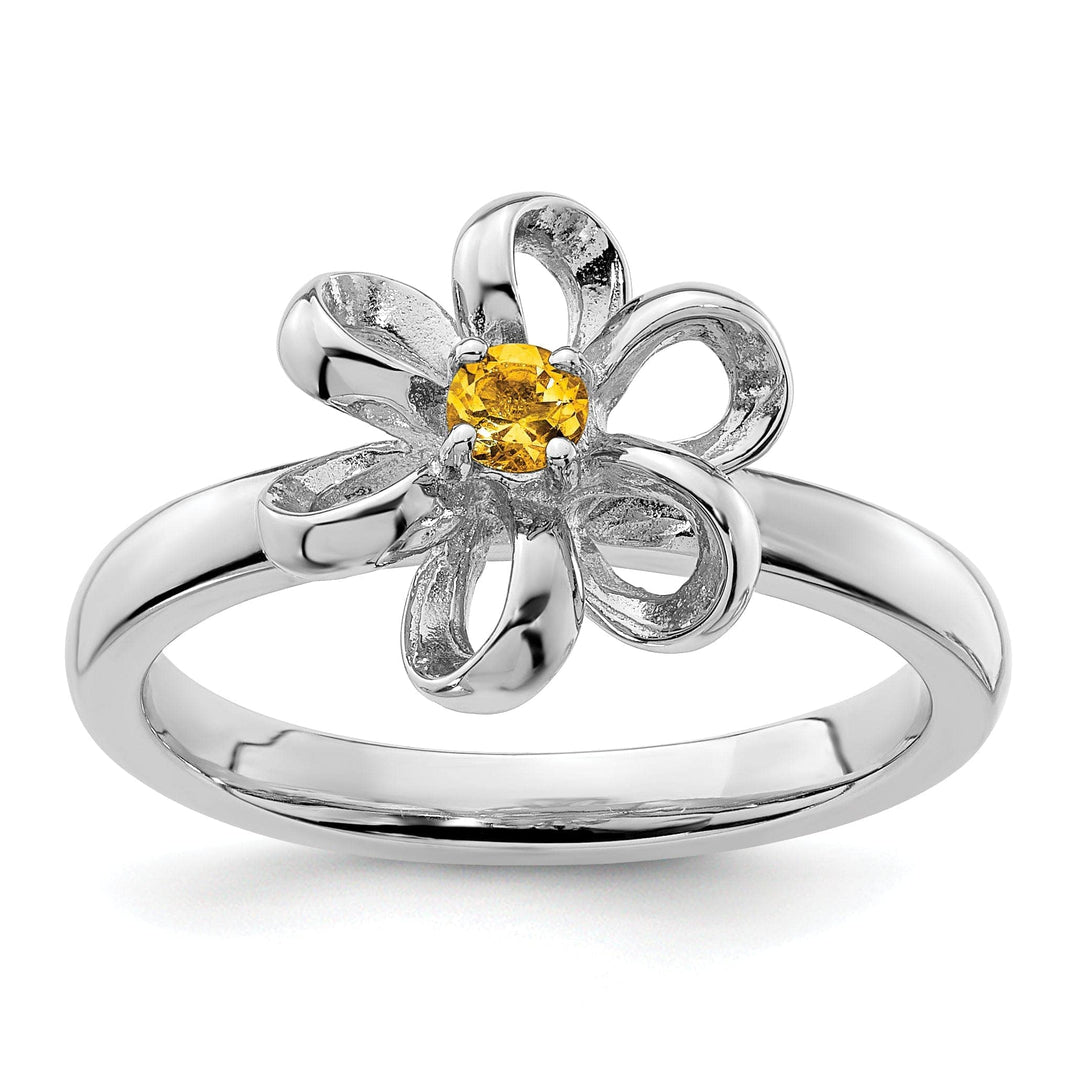
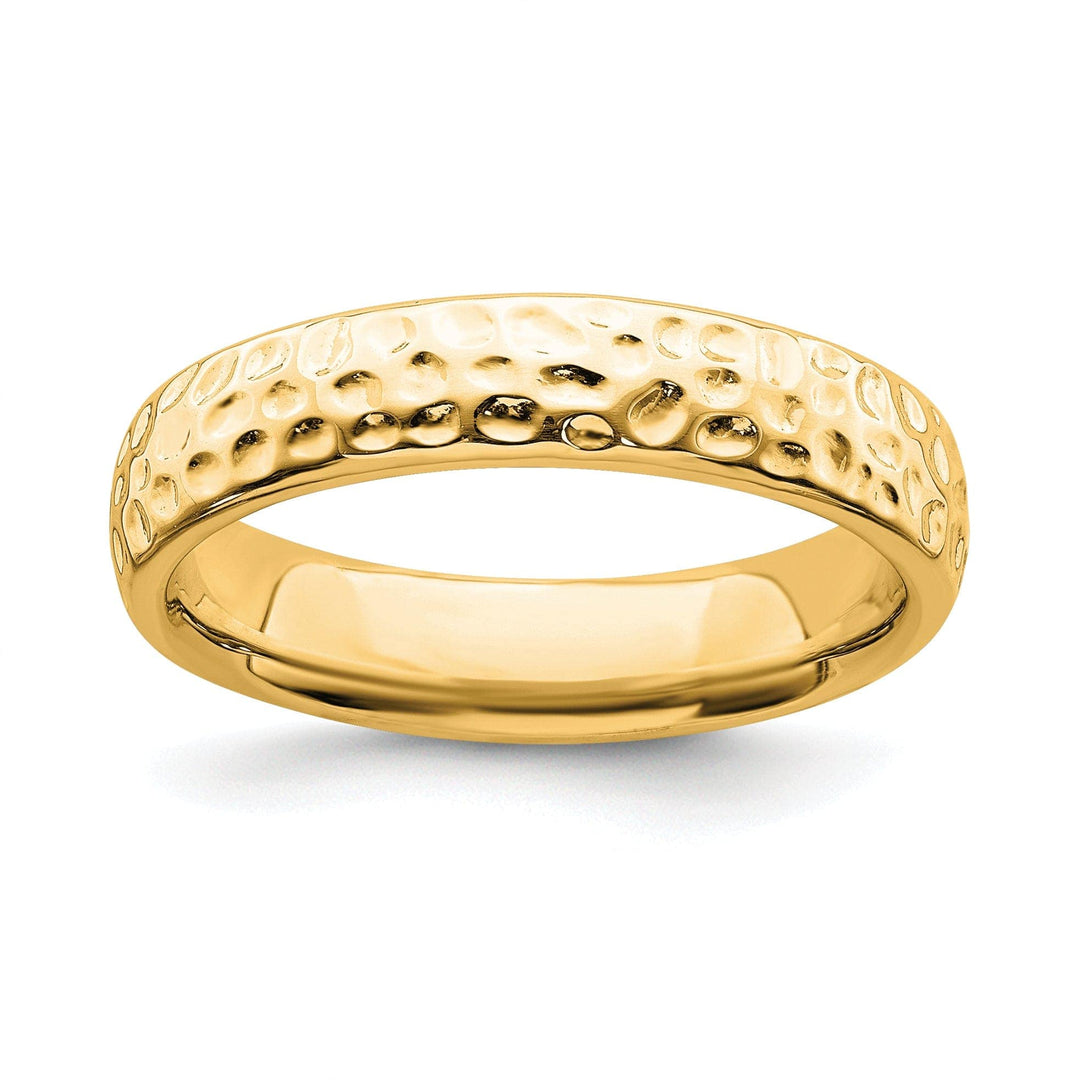
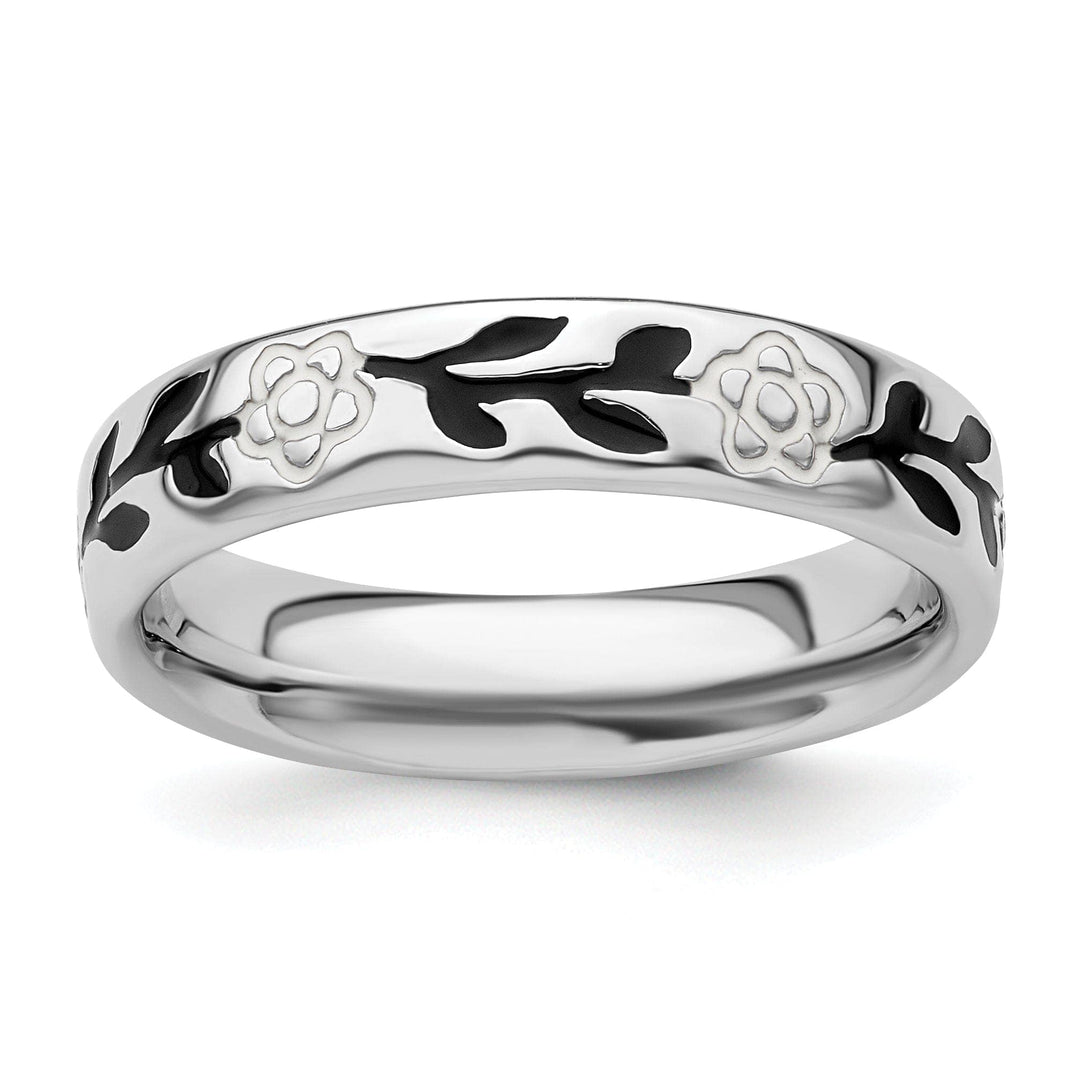
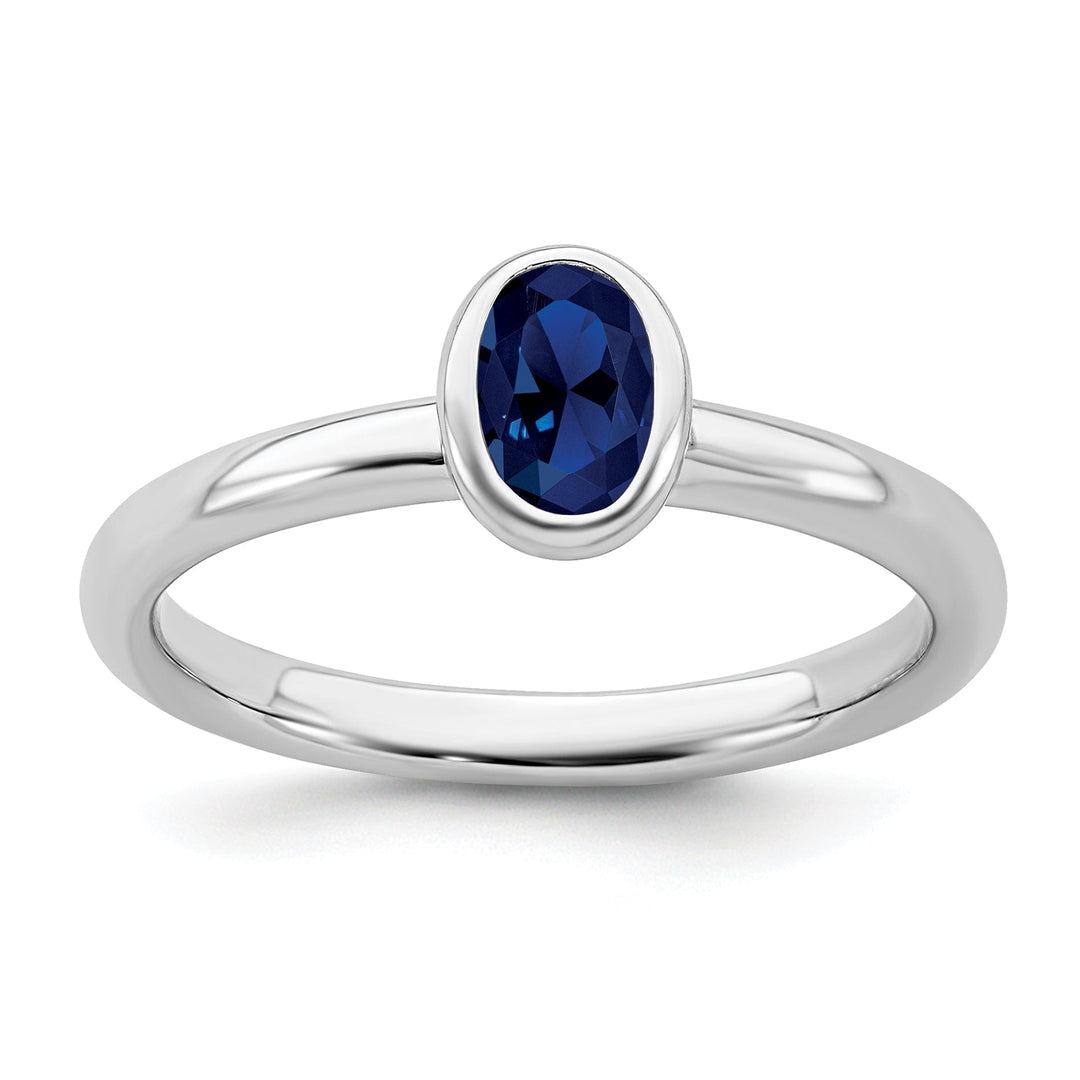
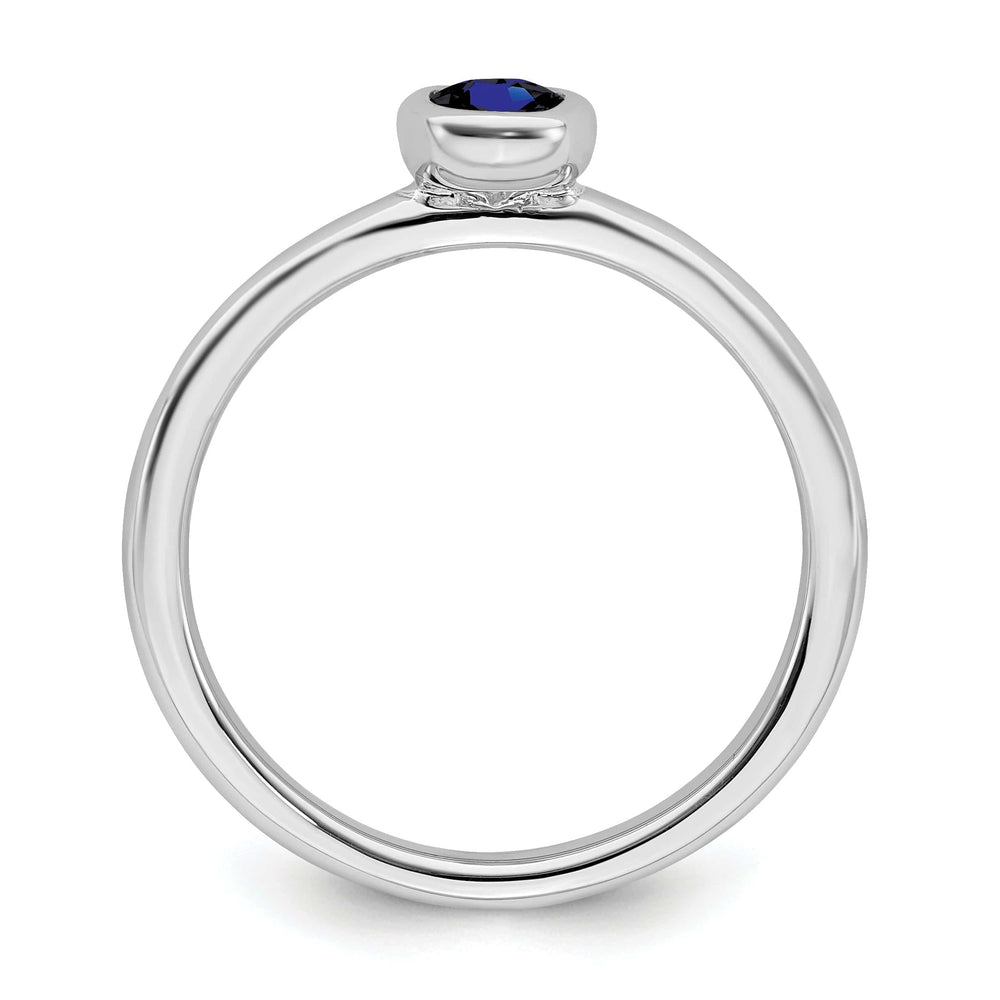
Stackable rings in .925 sterling silver, made to be worn several at a time. Narrow bands in 1.5 mm and 2.25 mm, gemstone solitaires, enamel colors and diamond accents.
More about Stackable Rings
How stacking works. Each ring is slim enough that three or four sit together on one finger without crowding it. Mix a plain band, a color and a stone, or wear matching bands across several fingers. They are sold individually, so a stack is built over time.
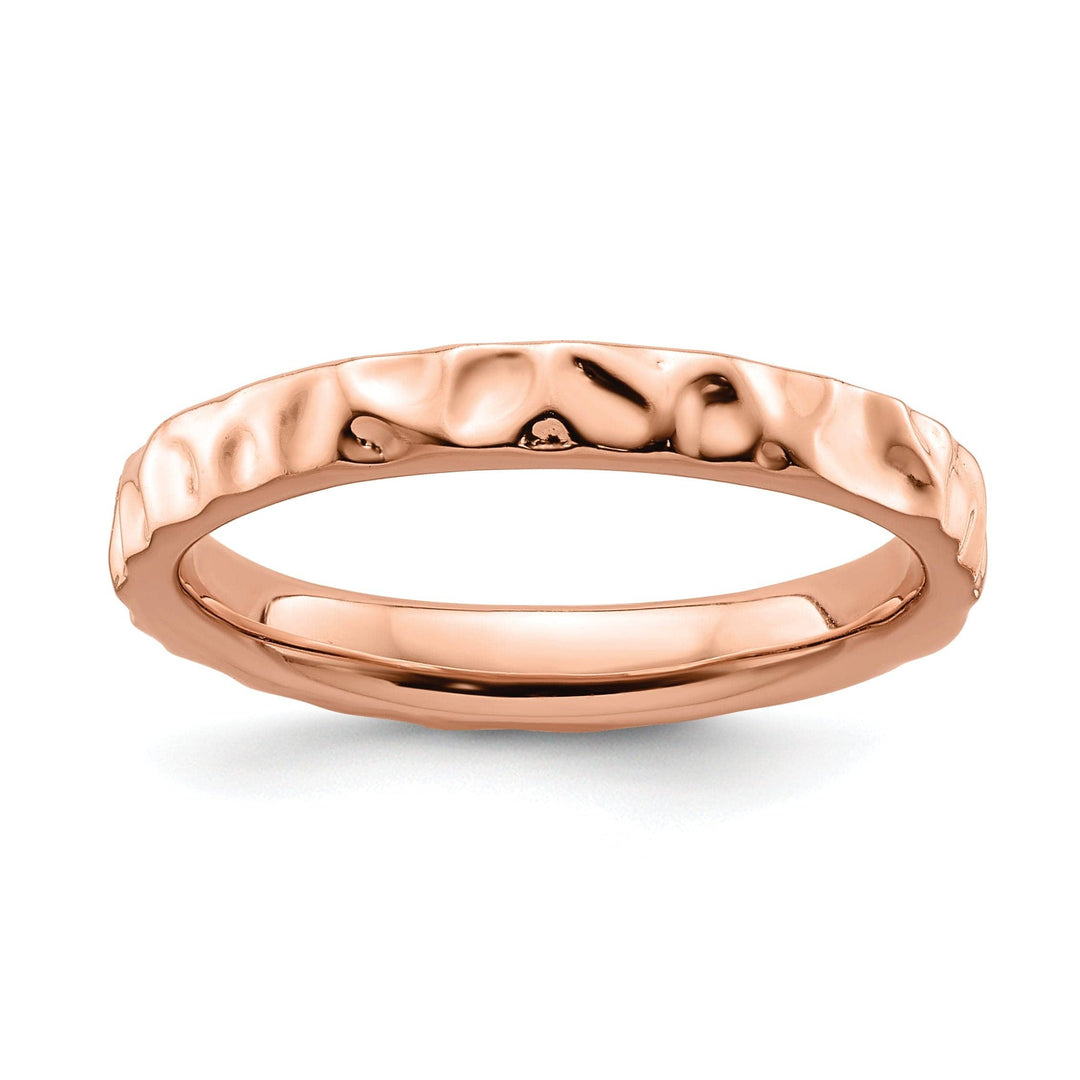
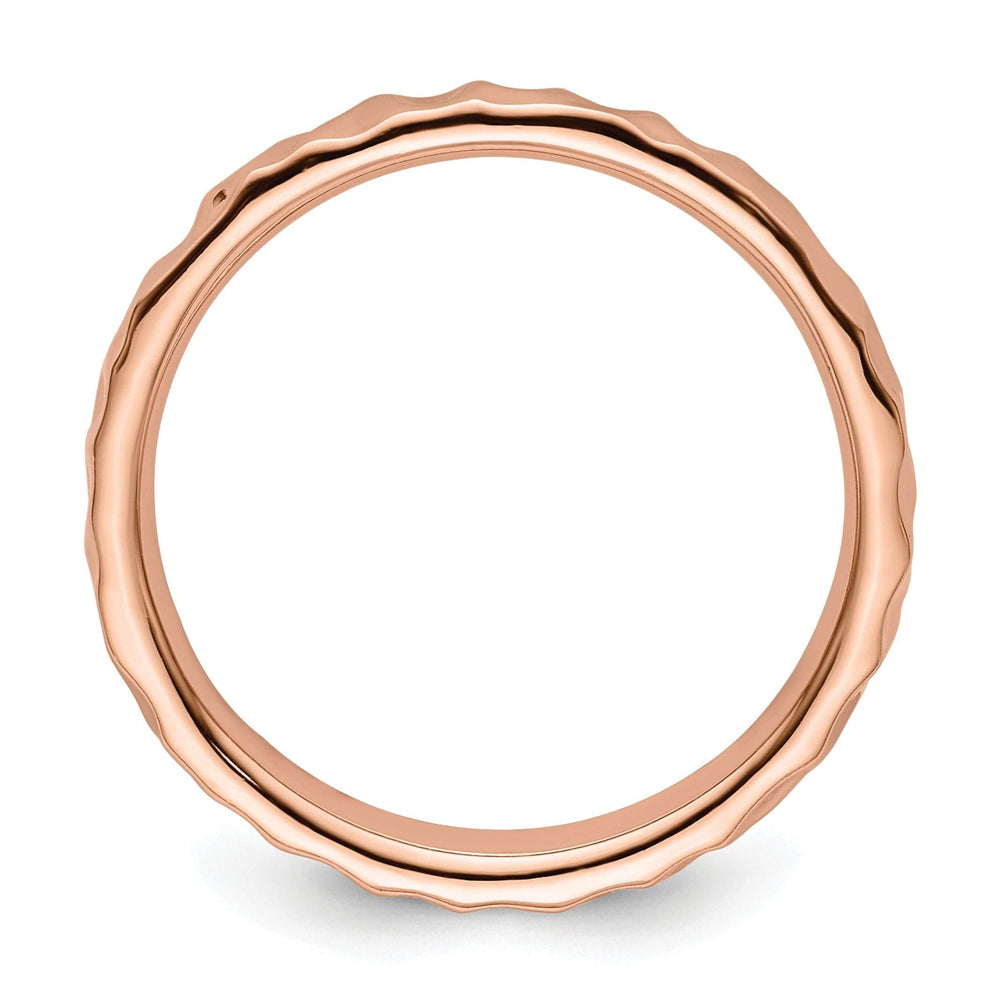
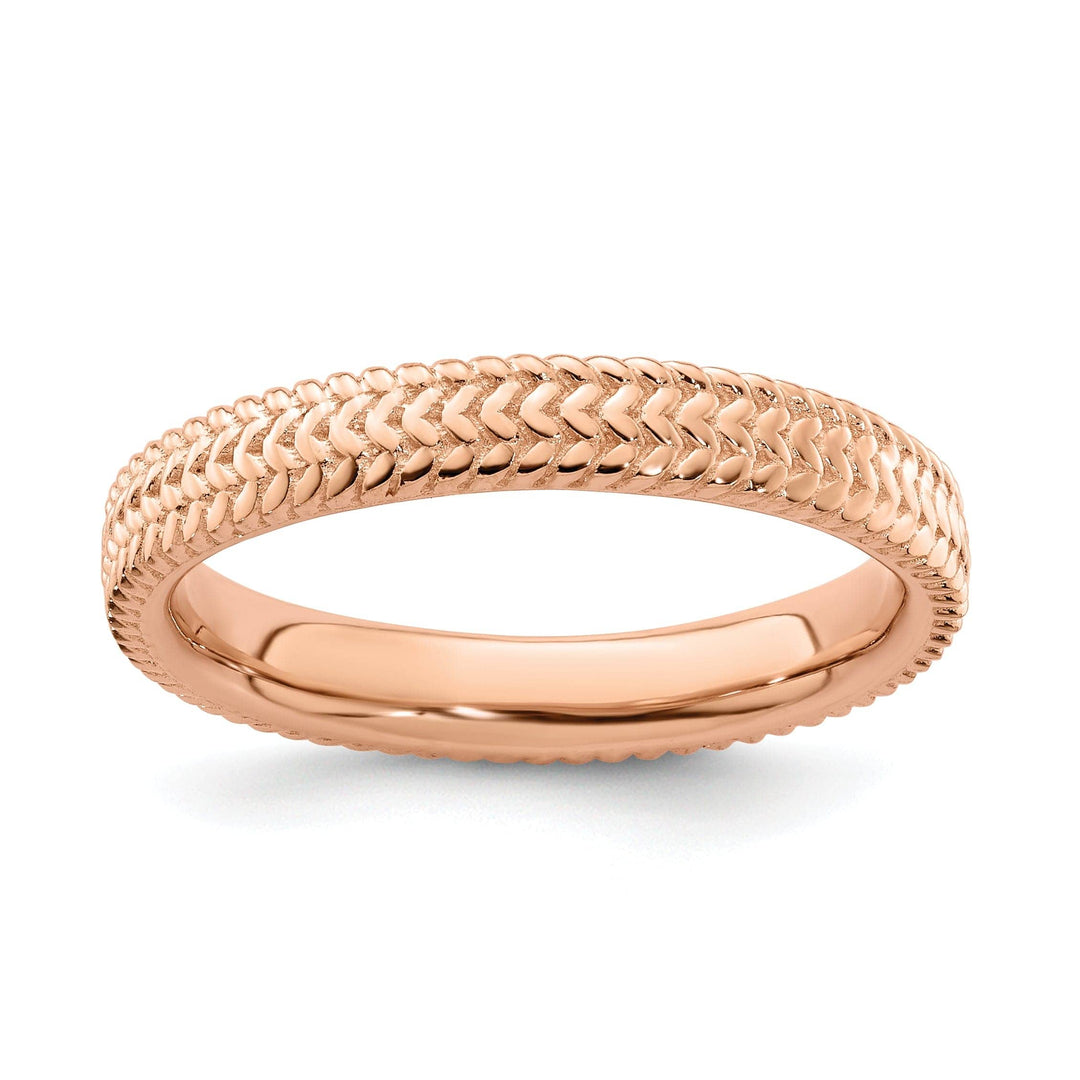
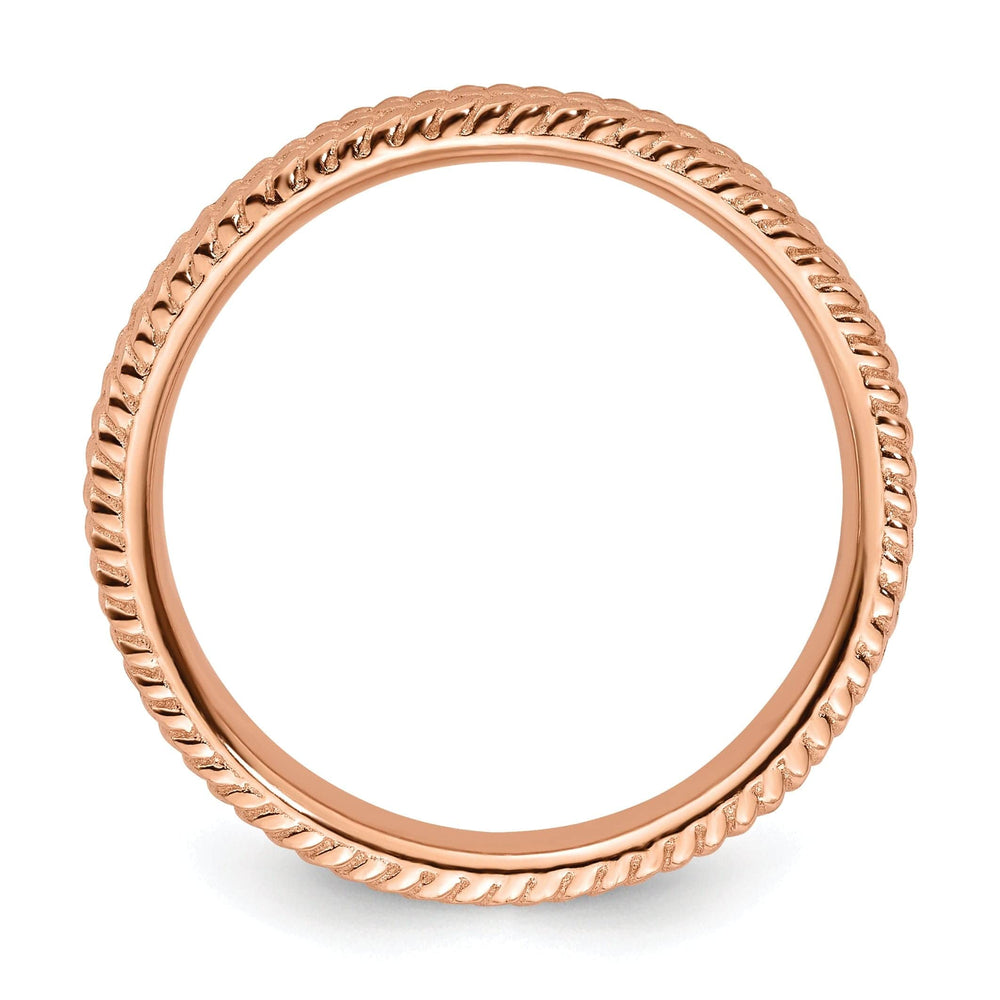
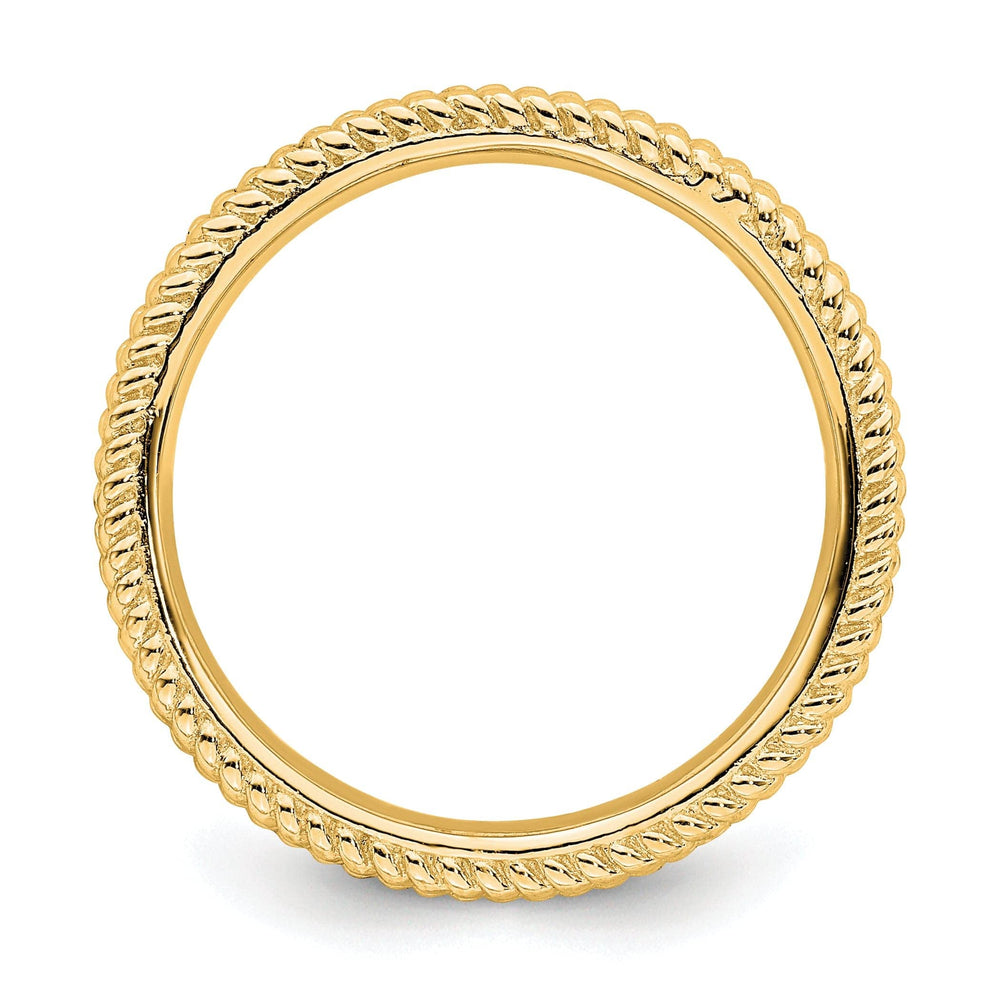
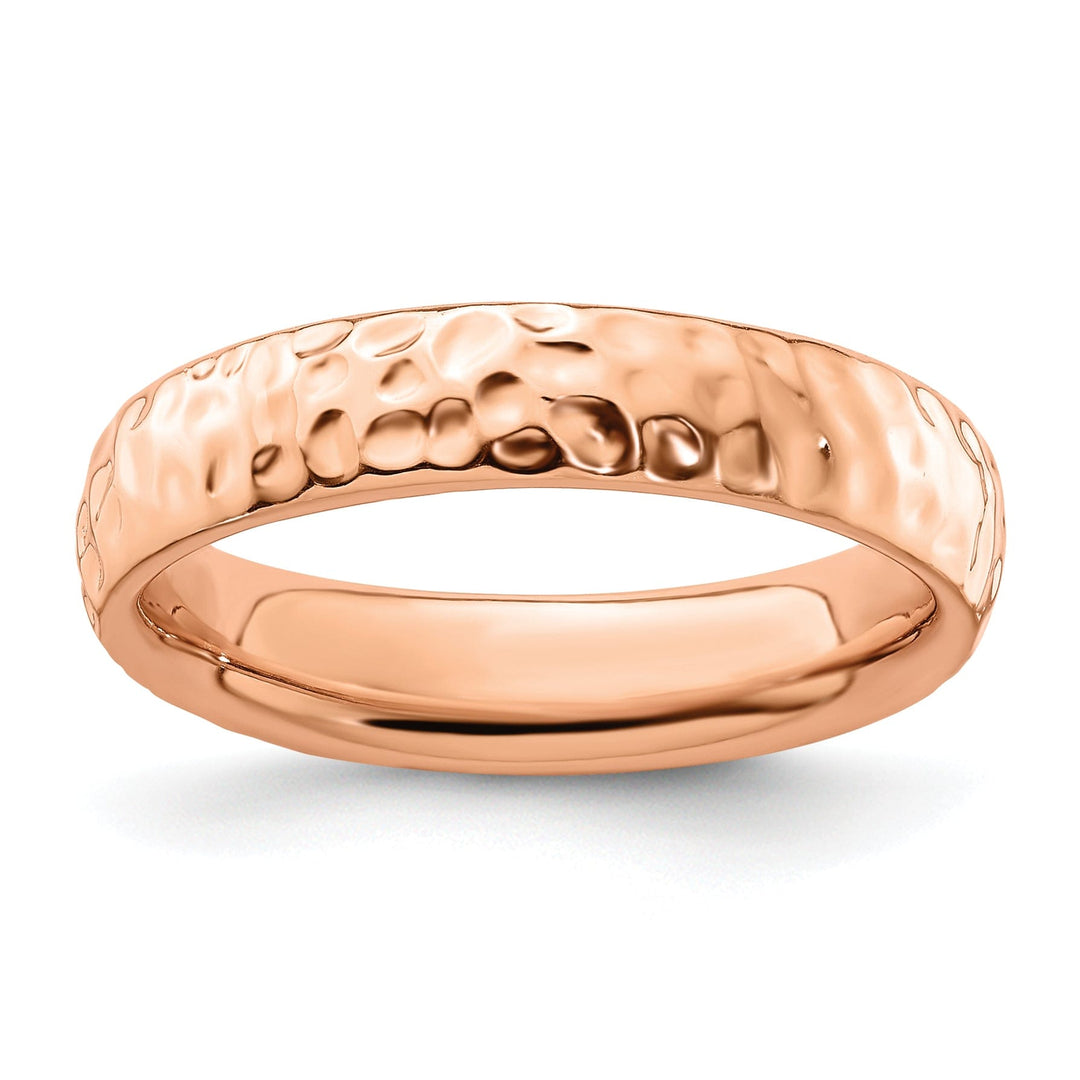
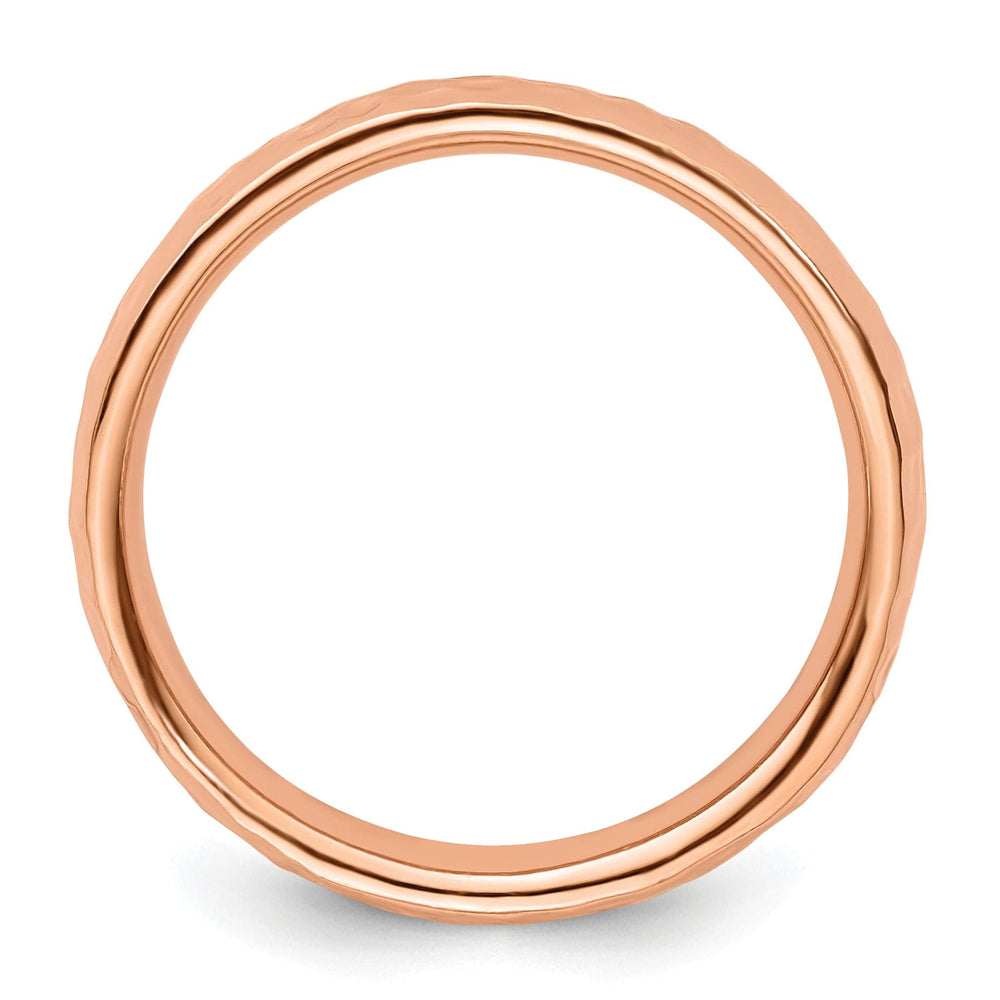
Plain bands. The narrow bands come in rhodium, black, rose and gold finishes over sterling silver, in polished, twisted, criss-cross, step-down and rice-bead textures.
Color. Enameled bands in green, yellow, red, white, orange, purple, pink and black, in 1.5 mm and 2.25 mm widths — the cheapest way to change a stack.
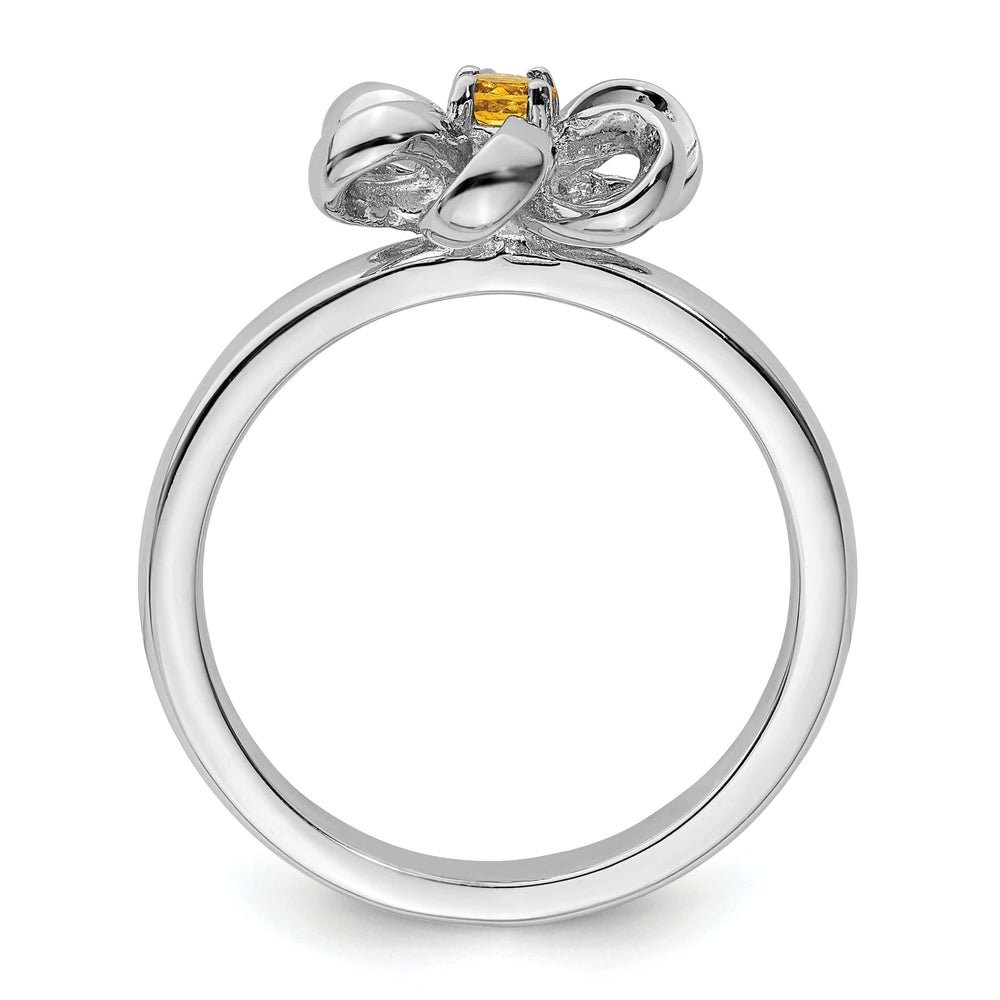
Stones. Birthstone and gemstone rings in citrine, peridot, amethyst, garnet, blue topaz, created ruby, created emerald, created sapphire, rhodolite, aquamarine, white topaz and pink tourmaline. Several are set with diamond accents.
See also Expressions stackable rings, enameled stackables and diamond stackables. Browse everything in Rings.
Common questions
What is a stackable ring?
A slim band designed to be worn with others on the same finger. Each is narrow enough that three or four sit together comfortably. They are sold individually so you build the stack over time.
What are these made of?
.925 sterling silver — 92.5% silver, stamped. The colored bands are enamel over silver, and the finishes include rhodium, black, rose and gold tones.
What widths do the bands come in?
1.5 mm and 2.25 mm for the plain and enameled bands. Gemstone and diamond rings vary by setting; the dimensions are on each product page.
Which gemstones are available?
Citrine, peridot, amethyst, garnet, rhodolite garnet, blue topaz, white topaz, aquamarine, pink tourmaline, and created ruby, emerald and sapphire.
How many should I wear together?
Three to five on one finger is the usual look. An odd number tends to sit better than an even one, and mixing a plain band, a color and a stone gives the stack depth.